

Building a Sustainable Content Strategy for Long-Term Business Growth
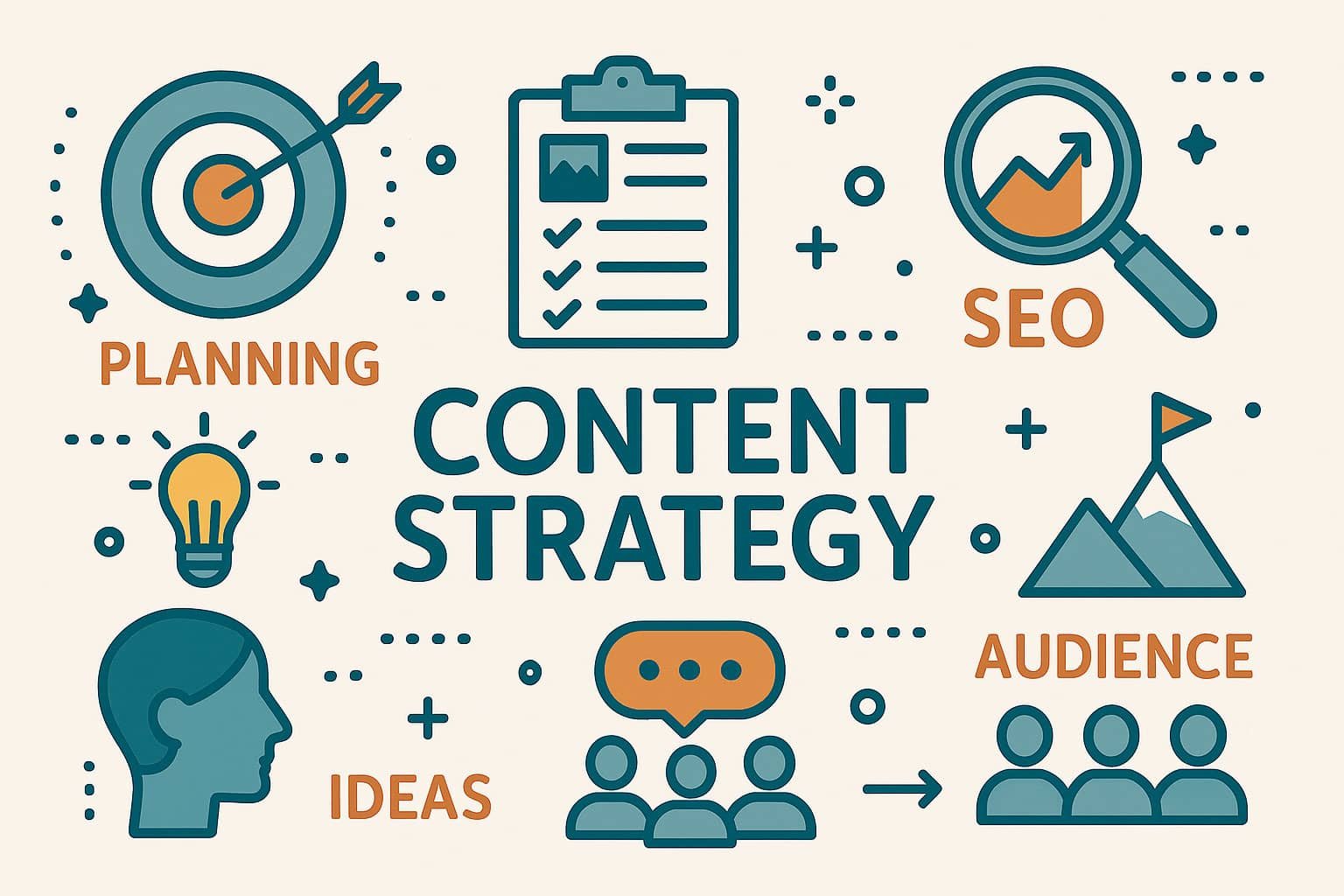
Content has evolved from being a supporting marketing asset into one of the most influential business growth drivers in modern digital environments. Organizations that publish content without a structured direction often generate inconsistent engagement, fragmented messaging, and unpredictable performance across channels. Sustainable content strategy focuses on creating long-term value through relevant communication, consistent publishing frameworks, and measurable business objectives that align with customer expectations. Rather than producing content purely for visibility, successful businesses design systems that educate audiences, strengthen authority, and create continuous opportunities for engagement and conversion over time. This approach transforms content from isolated campaign activity into a scalable business asset.
Long-term content performance depends on understanding customer behavior and building communication strategies that remain useful throughout changing market conditions. Businesses that invest in strategic content planning improve their ability to attract qualified audiences while reducing dependence on short-term advertising cycles. Sustainable content programs create stronger brand consistency, support trust development, and establish repeatable pathways for customer acquisition. As digital competition increases, organizations that maintain clear content structures are often better positioned to adapt, remain visible, and support continuous business growth without relying entirely on paid exposure.

Moving Beyond Short-Term Publishing
Many businesses create content reactively based on short-term trends, campaign schedules, seasonal opportunities, or immediate promotional needs without establishing a long-term communication structure. Although this approach may generate temporary attention and occasional traffic increases, it rarely produces sustainable growth outcomes because the content lacks continuity, strategic alignment, and measurable long-term value. Sustainable content strategy requires organizations to understand audience expectations, define communication objectives, and develop publishing frameworks that support ongoing engagement rather than isolated results. Content should function as an integrated growth system where articles, educational resources, campaigns, and communication initiatives work together to support broader business goals. When every piece contributes to a larger strategy, businesses create stronger brand consistency, improve audience trust, and generate more meaningful opportunities over time.
Publishing consistency creates familiarity and improves audience expectations across websites, search platforms, email communications, and digital channels. Businesses that maintain structured publishing schedules often experience stronger engagement quality because users begin to recognize the platform as a dependable source of valuable information rather than occasional promotional activity. Consistency also improves internal planning, supports better resource allocation, and enables teams to maintain quality standards without sacrificing execution speed. Over time, strategic publishing contributes to stronger customer relationships, improved brand perception, and more efficient marketing performance while creating a repeatable framework that supports scalable business growth across changing market conditions.
Creating Content That Supports Decision-Making
High-performing content does more than simply attract visitors because its primary purpose is helping customers make informed decisions with greater confidence. Effective content addresses common concerns, explains solutions clearly, reduces uncertainty, and supports users throughout the decision-making process. Businesses that focus exclusively on promotional messaging often struggle to maintain engagement because audiences increasingly expect useful information that delivers practical value before they commit to products or services. Educational and decision-focused content helps establish authority while creating experiences that feel relevant and supportive. When organizations create content that solves problems and answers real questions, they increase the likelihood of building trust and encouraging stronger long-term engagement.
Decision-support content strengthens trust and encourages deeper interaction across multiple stages of engagement, from awareness and evaluation to conversion and retention. Educational resources, strategic insights, practical guidance, and structured communication help businesses demonstrate expertise while improving customer confidence in their decisions. Organizations that align content with actual customer concerns often create stronger retention, higher engagement quality, and improved conversion opportunities throughout long-term growth initiatives. This approach transforms content from a visibility tool into a strategic business asset that supports stronger customer experiences, improves relationship quality, and contributes directly to sustainable digital growth.
Measuring Long-Term Content Performance
Content success should not be evaluated solely through views, impressions, or short-term traffic increases. Organizations benefit more from measuring engagement depth, conversion contribution, customer retention, and long- term audience growth patterns. Sustainable performance measurement helps businesses identify which communication approaches produce meaningful outcomes and where optimization efforts should be prioritized.
Continuous evaluation creates opportunities for refinement and supports more efficient resource allocation over time. Businesses that monitor content performance strategically are able to strengthen messaging quality, improve customer experiences, and maintain stronger competitiveness across evolving digital environments. Effective measurement turns content into an active growth system rather than a passive publishing exercise.
Strong content strategy is not built around publishing more—it is built around creating lasting value repeatedly.
Conclusion
Sustainable content strategy enables businesses to build stronger visibility, improve customer trust, and create long-term growth opportunities through structured and intentional communication systems. Organizations that move beyond isolated publishing activities and instead focus on delivering consistent value are more likely to develop meaningful customer relationships and achieve predictable marketing performance over time. Content becomes more impactful when it supports customer decision-making, answers real business questions, and contributes directly to broader operational objectives. Rather than chasing temporary engagement spikes, sustainable content creates a repeatable foundation that strengthens brand positioning, supports ongoing audience development, and increases long-term business resilience across changing digital environments.
TopLineGreen helps businesses create structured digital growth systems designed to improve communication quality, strengthen audience engagement, and support measurable business outcomes across multiple channels. Through careful planning, strategic content development, continuous optimization, and performance-driven execution, organizations can transform content into a scalable growth asset instead of a short-term marketing activity. By focusing on consistency, relevance, and long-term value creation, businesses can establish sustainable visibility, improve customer relationships, and build stronger foundations that support future expansion and continued competitive growth.
Leave a Reply