

Why Lead Generation Is the Foundation of Modern Business Growth
Businesses today operate in increasingly competitive digital environments where simply having a website or social media presence is no longer enough to produce meaningful growth. Customers have more choices, shorter attention spans, and higher expectations than ever before, making it difficult for businesses to stand out and consistently attract qualified buyers. Many organizations invest heavily in advertising, content creation, and visibility campaigns but still struggle to generate measurable outcomes because their marketing efforts are not connected to structured acquisition systems. Lead generation fills this gap by transforming interest into opportunities and helping businesses create repeatable methods for customer growth. Rather than focusing only on views or impressions, lead generation prioritizes quality interactions and measurable business outcomes.
A strong lead generation framework allows organizations to build long-term momentum instead of depending on unpredictable short-term campaigns. Businesses that establish efficient acquisition systems gain clearer insights into customer behavior, improve conversion efficiency, and allocate marketing budgets more effectively. Structured growth systems create stronger relationships between marketing activity and revenue performance while reducing wasted effort and inconsistent results. This approach helps businesses move from reactive promotion toward predictable and scalable growth models that support long-term business development.
The Shift From Visibility to Customer Acquisition
For many years businesses treated visibility as the primary indicator of marketing success. Website visits, social followers, and advertising reach became common performance measurements despite offering limited insight into actual business growth. While visibility remains important, modern businesses require stronger connections between marketing activity and customer acquisition outcomes. Generating traffic without conversion creates operational inefficiencies and often results in disappointing returns despite large investments in promotion and content production.
Lead generation changes this model by focusing on attracting users who demonstrate real interest and measurable intent. Instead of maximizing exposure alone, businesses develop systems that guide visitors toward meaningful actions such as consultations, inquiries, subscriptions, and purchase decisions. These interactions provide stronger indicators of performance and create opportunities for optimization that continuously improve campaign effectiveness over time.
Challenges Businesses Face Without Lead Generation
Organizations without structured lead generation often experience inconsistent customer flow, unpredictable sales cycles, and poor visibility into marketing effectiveness. Teams may spend resources on broad campaigns that generate attention but fail to attract decision-makers or qualified audiences. This disconnect increases acquisition costs and makes growth difficult to sustain over extended periods of time. Without proper targeting and conversion systems, marketing becomes difficult to measure and even harder to scale.
Another challenge is the inability to understand which activities contribute directly to business outcomes. Companies frequently collect large amounts of data but fail to transform it into useful decision-making frameworks. Without structured tracking and performance evaluation, organizations may continue investing in ineffective channels while overlooking stronger opportunities. Lead generation introduces accountability and measurable progression that supports more confident business decisions.
How Strategic Marketing Creates Better Results
Strategic marketing combines audience understanding, content positioning, conversion optimization, and performance analysis into one coordinated growth system. Effective lead generation requires businesses to identify who their customers are, how they make decisions, and what influences their actions. This information allows marketing campaigns to become more focused and efficient while reducing unnecessary expenditure across channels and platforms.
As businesses improve messaging, optimize customer journeys, and refine acquisition processes, overall performance becomes stronger and more sustainable. Strategic execution encourages continuous learning and enables businesses to respond quickly to changing customer behavior and market conditions. Organizations that prioritize structured marketing systems are typically better equipped to compete in increasingly crowded digital environments.

The Importance of Conversion Optimization
Generating interest is only one part of growth. Businesses must also create environments that encourage users to take action once they arrive. Conversion optimization focuses on improving customer experiences, simplifying decision pathways, and reducing friction throughout the acquisition process. Landing pages, forms, messaging, calls to action, and user experience all contribute to stronger conversion performance.
When businesses continuously optimize these elements, they improve efficiency without necessarily increasing marketing spend. Small improvements across multiple stages of the customer journey often produce significant gains over time. Conversion-focused businesses are better positioned to maximize existing traffic while creating stronger returns from marketing investments.
Data and Performance Measurement
One of the greatest advantages of lead generation is the ability to measure outcomes and make informed decisions using real business data. Modern analytics tools allow organizations to monitor customer behavior, campaign efficiency, and conversion performance across channels. These insights support continuous optimization and reduce reliance on assumptions when making strategic decisions.
Data-driven businesses can identify growth opportunities faster, improve resource allocation, and respond more effectively to changing market conditions. Rather than relying on isolated metrics, organizations create connected performance frameworks that link marketing execution directly to business objectives and long-term goals.
Lead generation is not about generating more clicks—it is about creating more opportunities that move businesses forward.
Long-Term Business Impact
Businesses that adopt structured lead generation systems often experience stronger customer relationships, improved retention, and more sustainable growth over time. Rather than depending on temporary campaign success, organizations establish repeatable acquisition processes that continue producing opportunities as the business evolves. This creates greater operational confidence and supports strategic expansion into new markets and customer segments. A predictable flow of qualified prospects enables businesses to make better operational decisions, allocate budgets more effectively, and reduce uncertainty across sales and marketing activities. As acquisition systems mature, organizations are able to strengthen customer loyalty, improve engagement quality, and build stronger long-term market positioning. These advantages contribute to greater business stability and create a foundation that supports consistent growth regardless of changing market conditions or competitive pressure.
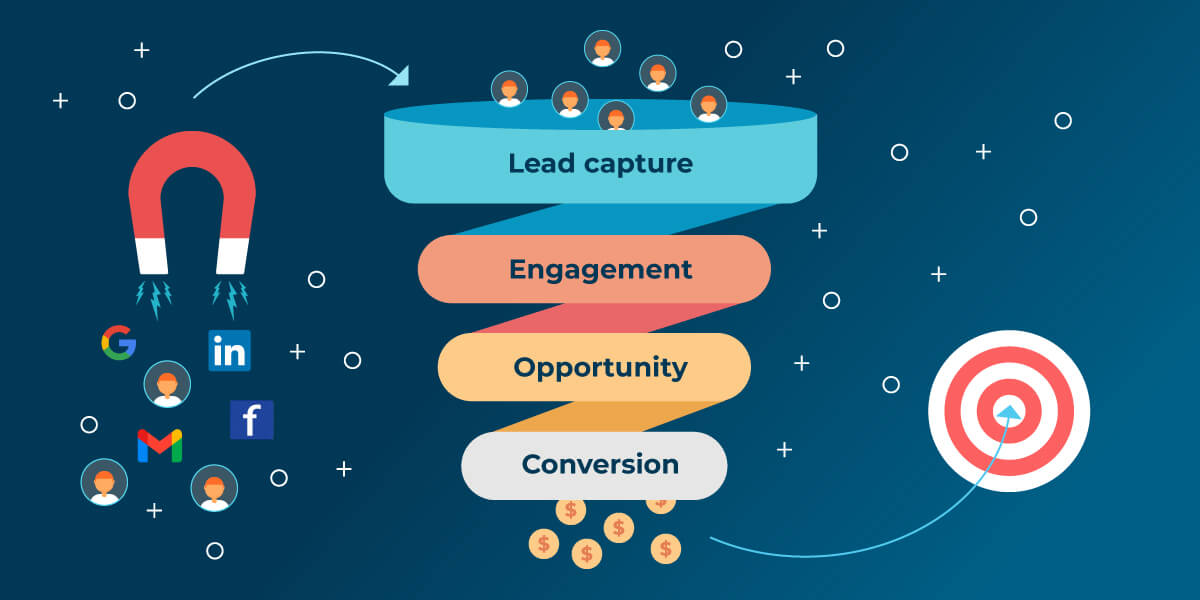
Long-term marketing success depends on balancing visibility, engagement, conversion, and continuous improvement. Businesses that build integrated growth systems become more resilient and more capable of adapting to changing industry conditions while maintaining performance consistency. Effective lead generation allows organizations to continuously refine customer experiences, strengthen brand credibility, and identify emerging opportunities before competitors. Instead of relying on isolated campaigns or short-term wins, businesses create frameworks that generate measurable value over extended periods. This strategic approach supports sustainable growth by combining marketing performance with business objectives, allowing organizations to scale efficiently while maintaining stronger control over acquisition costs and customer development outcomes.
Conclusion
Lead generation has become one of the most important components of digital growth because it creates direct connections between marketing activity and business outcomes. Companies that focus only on exposure often struggle to convert attention into measurable results, while organizations that invest in customer acquisition systems create stronger opportunities for expansion and long-term performance. In competitive digital environments, businesses require more than visibility—they need structured methods that consistently attract qualified audiences and encourage meaningful engagement. A strategic lead generation approach creates measurable pathways that improve efficiency, strengthen customer relationships, and support more informed decision-making across every stage of business growth.
TopLineGreen helps businesses build structured growth systems designed to improve visibility, generate qualified leads, increase conversions, and support sustainable business development. Through practical execution, continuous optimization, and measurable performance strategies, businesses can move beyond traffic metrics and create reliable pathways for long-term success in competitive digital markets. By aligning digital marketing efforts with clear business objectives, organizations can establish scalable acquisition frameworks that continue delivering value over time. The goal is not simply to attract more visitors, but to create sustainable opportunities that contribute directly to stronger business performance, improved customer engagement, and long-term growth potential.
Leave a Reply